Artificial intelligence is becoming a major driver of economic growth, technological innovation, and national security. Recognizing this shift, Microsoft has announced a $10 billion investment in Japan to expand AI infrastructure, strengthen cybersecurity cooperation, and develop digital skills across the workforce.
Planned for the 2026 to 2029 period, the investment reflects Japan’s ambition to accelerate digital transformation while protecting critical infrastructure and sensitive information. It also builds on Microsoft’s earlier commitment to invest $2.9 billion in Japanese cloud and AI infrastructure in 2024.
Microsoft’s $10 billion investment in Japan highlights how technology companies are increasingly combining AI development with security and workforce readiness. Rather than focusing exclusively on computing capacity, the initiative addresses several interconnected requirements for sustainable digital growth.
Expanding AI Infrastructure Across Japan
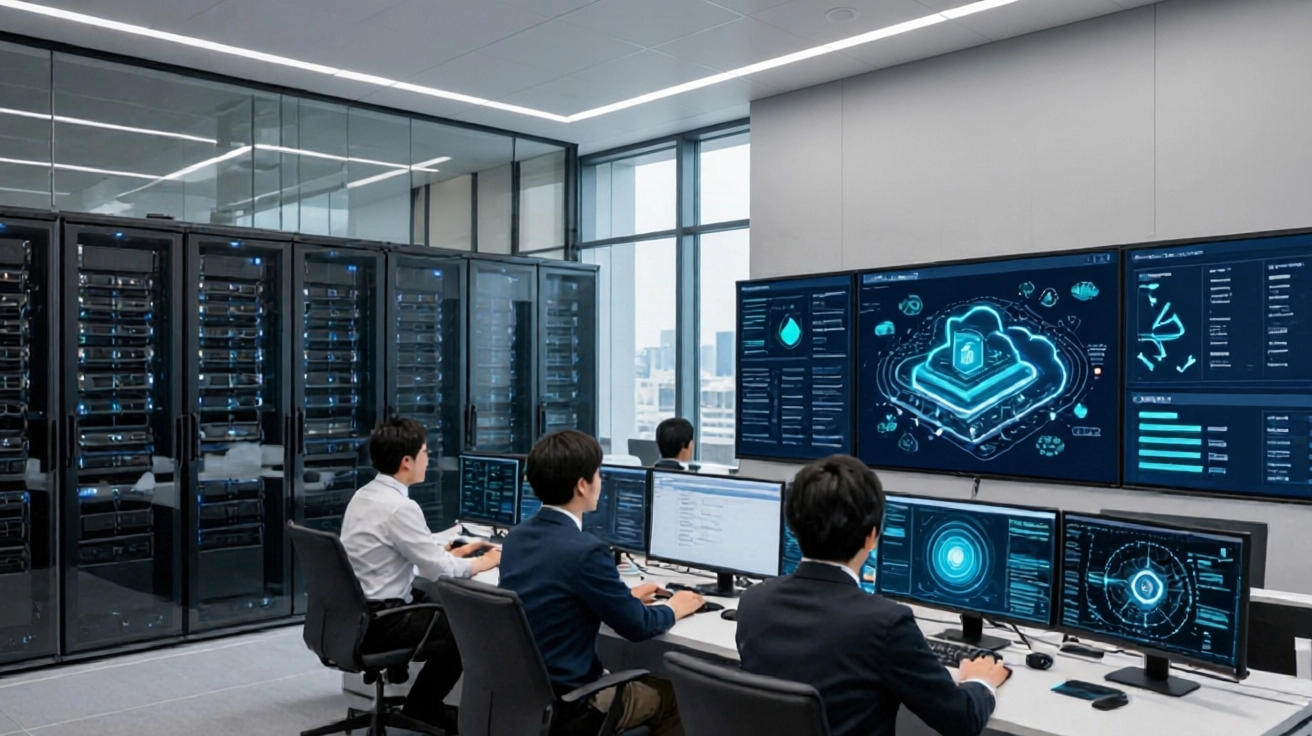
Advanced AI applications require substantial computing power, reliable cloud services, and secure data management. To address these needs, Microsoft plans to collaborate with Japanese technology companies, including SoftBank and Sakura Internet, to expand access to domestic AI computing infrastructure.
The partnerships are intended to provide businesses and public institutions with more options for running AI workloads while keeping data within Japan. This is particularly important for organizations working with sensitive information or operating under strict governance requirements.
Furthermore, stronger domestic infrastructure could support the development of Japanese language models, advanced robotics, and AI applications for manufacturing. These capabilities may help companies improve operational efficiency and develop new digital services.
The investment also reflects wider AI trends and insights, particularly the growing importance of computing infrastructure that supports innovation while meeting local data residency requirements.
Strengthening Cybersecurity Through Collaboration
As AI adoption expands, cybersecurity risks are becoming more complex. Cybercriminals can use emerging technologies to improve phishing campaigns, automate malicious activities, and develop more convincing digital attacks. At the same time, organizations must protect increasingly interconnected cloud environments and AI systems.
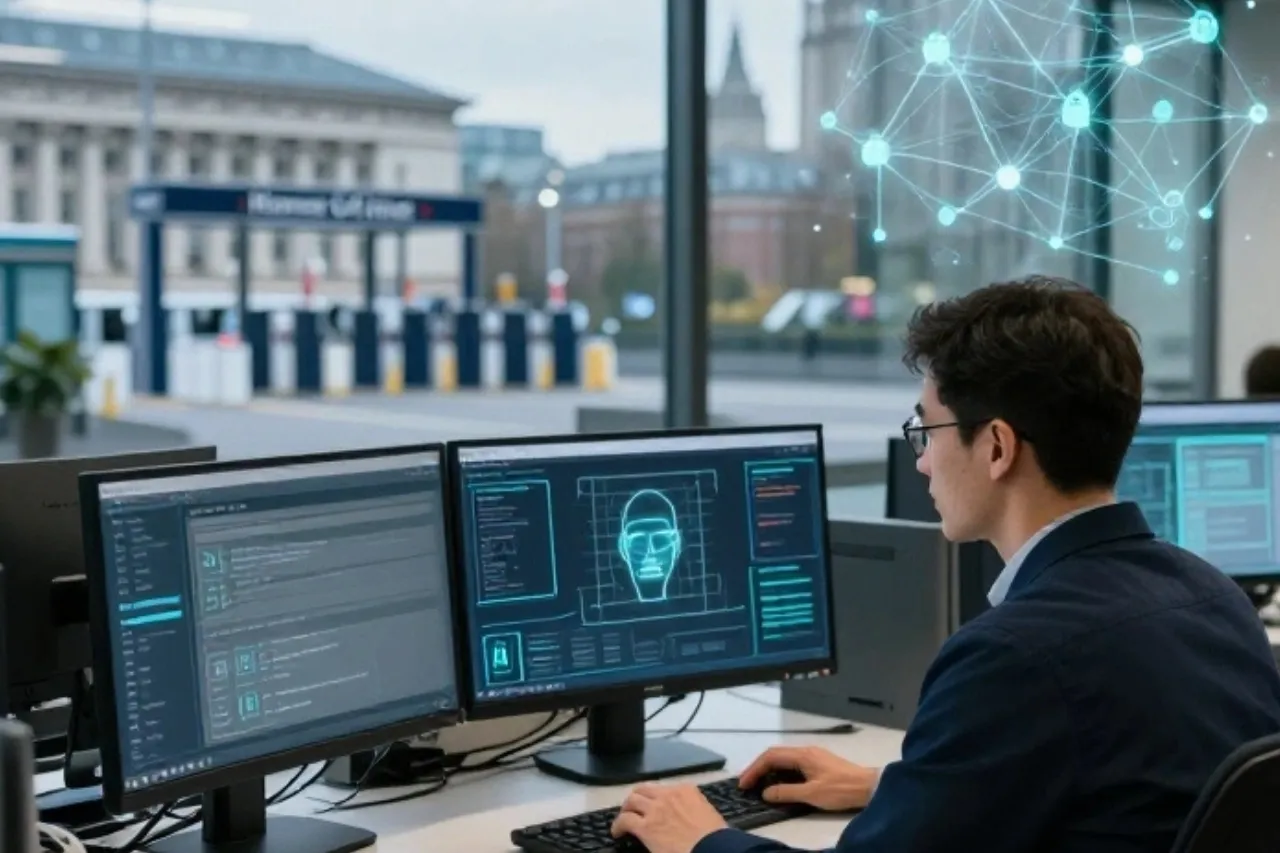
Microsoft plans to deepen cooperation with Japan’s cybersecurity institutions and law enforcement agencies. The initiative includes threat intelligence sharing, support for earlier threat detection, and collaboration aimed at disrupting cybercrime infrastructure.
These partnerships are significant because cyber threats rarely remain within national borders. Sharing relevant intelligence and coordinating responses can help authorities and businesses identify emerging risks more effectively.
However, technology alone cannot guarantee security. Organizations must also establish clear access controls, maintain software updates, train employees to recognize threats, and regularly evaluate their security procedures.
Microsoft’s $10 billion investment in Japan therefore highlights an important principle for digital transformation. Strong cybersecurity must develop alongside AI capabilities rather than being treated as a separate responsibility.
Investing in AI Skills and Workforce Development
Infrastructure and security systems are only part of the digital transformation process. Businesses also need employees who understand how to use AI tools, evaluate their outputs, and integrate them into existing workflows.
Microsoft has committed to helping train one million engineers and developers in Japan by 2030, working with domestic technology companies including Fujitsu, Hitachi, NEC, NTT Data, and SoftBank. The broader initiative also includes opportunities to expand AI skills across other workforce groups.
This focus addresses a major challenge for Japan, where the government has projected a substantial shortage of AI and robotics professionals by 2040. As a result, workforce development will be essential for turning investments in advanced technology into practical economic benefits.
Machine learning advancements and generative AI developments are creating new opportunities across software engineering, industrial automation, research, and business operations. Nevertheless, employees need continuous learning opportunities to keep pace with changing tools and responsibilities.
For organizations, this means connecting technical training with real business needs. Employees should learn not only how AI systems operate but also how to verify results, protect sensitive information, and apply human judgment when automated recommendations are unreliable.
Implications for Japan’s Technology Industry
Microsoft’s $10 billion investment in Japan could strengthen the country’s position in the global AI ecosystem by connecting international cloud capabilities with domestic technology expertise.
For manufacturers, improved access to AI computing could support predictive maintenance, production planning, and quality assurance. Financial institutions may benefit from stronger security capabilities and more advanced data analysis. Meanwhile, software developers could gain access to tools that accelerate coding, testing, and product development.
These opportunities also connect with automation and future tech, where intelligent systems are increasingly influencing how organizations operate and compete.
Nevertheless, the impact will depend on implementation. Companies must assess the cost of AI adoption, the availability of skilled workers, infrastructure requirements, and the reliability of the systems they deploy. Smaller businesses may also need practical guidance to access these capabilities without making unsustainable investments.
Consequently, partnerships between technology providers, businesses, educational institutions, and government agencies will remain important to ensuring that AI benefits extend beyond large enterprises.
What This Investment Means for the Future of AI
Microsoft’s $10 billion investment in Japan demonstrates how AI infrastructure, cybersecurity, and talent development are becoming closely connected priorities. Businesses can no longer treat these areas as isolated technology projects because each influences the success and resilience of the others.
The initiative also offers useful context for AI industry updates and future of AI research. As countries compete to expand their AI capabilities, access to computing resources will matter, but so will secure data management, skilled professionals, and responsible deployment.
For Japanese organizations, the opportunity lies in translating greater infrastructure access into measurable improvements in productivity, innovation, and security. For technology leaders elsewhere, the investment illustrates why long term AI strategies need to balance technical progress with workforce readiness and risk management.
Practical Insights for Businesses
Organizations looking to benefit from these developments should begin by identifying where AI can solve specific operational problems. Pilot projects in customer support, software development, manufacturing, and data analysis can help businesses evaluate potential benefits before expanding deployment.
At the same time, companies should review their cybersecurity controls and establish clear policies for using AI tools with confidential information. Workforce training should remain a priority so employees can use emerging technologies confidently and responsibly.
Finally, business leaders should measure results through improvements in efficiency, service quality, security readiness, and employee capabilities. By combining practical experimentation with strong governance, organizations can prepare for an increasingly AI driven economy.
Stay informed with AITechInfoPro for the latest AI trends, technology developments, and insights into the changing digital economy.
Source – darkreading