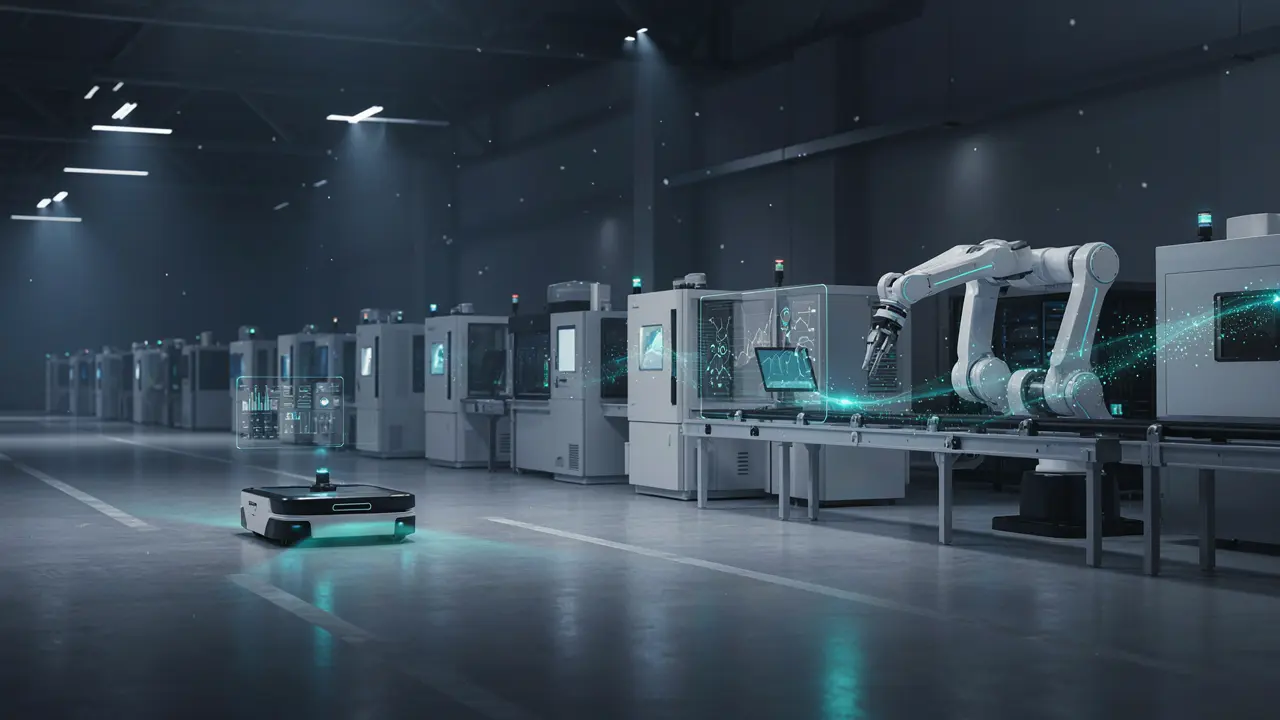
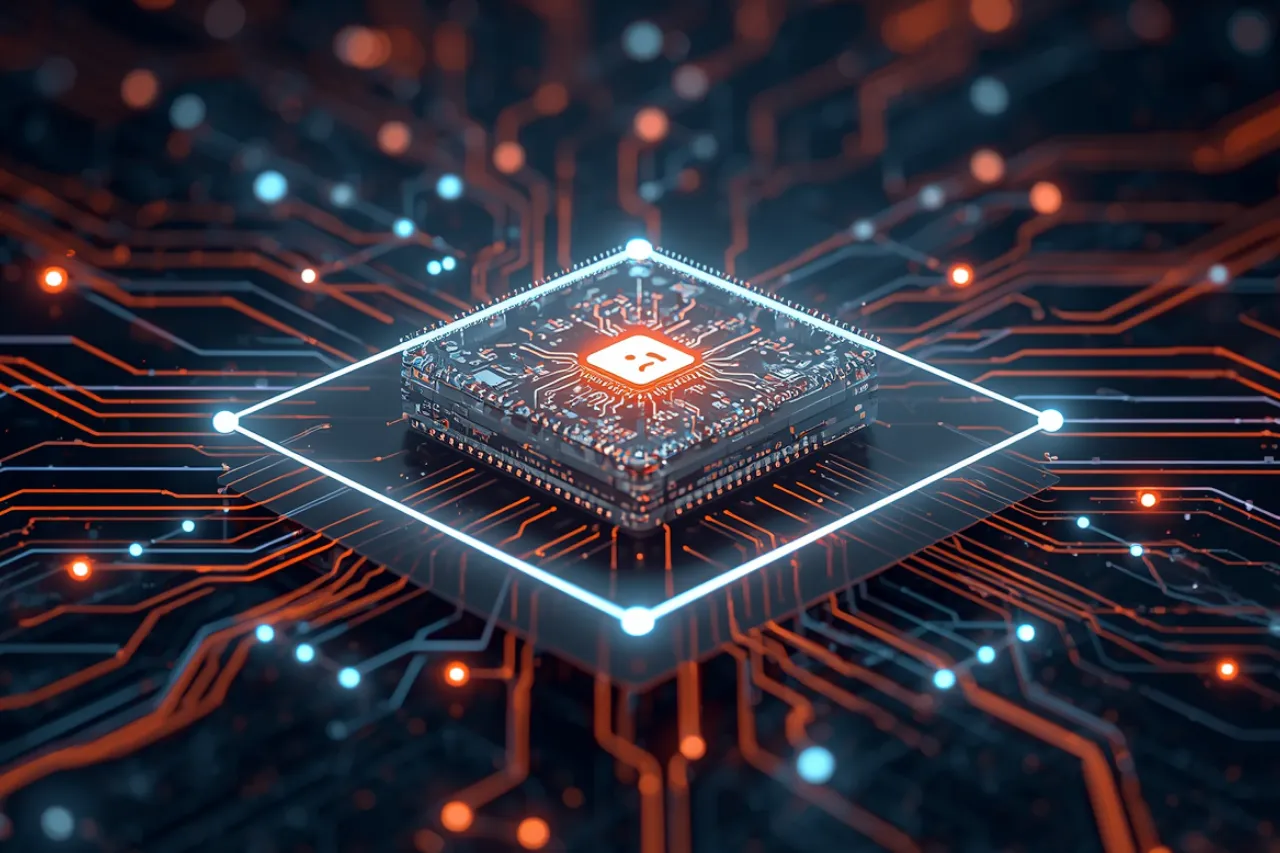
Enterprise IoT 2026 is moving beyond the traditional idea of connected devices simply collecting and transmitting information. Businesses are increasingly combining connected sensors, artificial intelligence, machine learning, cloud platforms, and advanced analytics to create systems capable of making decisions with limited human intervention.
This shift is changing how organizations approach operational efficiency. Instead of waiting for employees to identify problems, analyze data, and respond manually, intelligent systems can increasingly detect conditions, understand patterns, and initiate appropriate actions. As a result, Enterprise IoT 2026 is becoming closely connected with the broader movement toward autonomous operations.
From Connected Devices to Intelligent Systems
For years, IoT deployments focused primarily on connectivity and visibility. Sensors gathered information about equipment, inventory, energy consumption, production environments, and customer behavior. However, simply collecting data does not automatically create business value.
Enterprise IoT 2026 is placing greater emphasis on what happens after data is collected. AI models can interpret information in real time, identify unusual behavior, predict potential failures, and support operational decisions. Consequently, IoT environments are becoming more intelligent rather than simply more connected.
This development also reflects important AI trends and insights across industries. Companies are looking for technology that can move from observation toward action while maintaining appropriate levels of human oversight.
AI Is Making IoT More Autonomous
Artificial intelligence is becoming a critical component of Enterprise IoT 2026. Machine learning models can process large volumes of sensor data and recognize patterns that may be difficult for traditional systems to identify.
Machine learning advancements are particularly valuable for predictive maintenance. Instead of servicing equipment according to a fixed schedule, organizations can analyze operating conditions and estimate when maintenance may actually be required. This approach can reduce unexpected downtime while helping businesses use resources more efficiently.
At the same time, Generative AI developments are introducing new ways to interact with complex IoT environments. Natural language interfaces can potentially allow employees to ask questions about operational data without navigating multiple dashboards or technical systems.
Autonomous Operations Are Changing Business Processes
The growing focus on Enterprise IoT 2026 is also influencing the way companies design everyday operations. Autonomous systems can continuously monitor environments, evaluate incoming information, and trigger predefined responses.
In manufacturing, connected equipment can identify performance anomalies and support automated adjustments. In logistics, intelligent systems can respond to changing inventory levels, transportation conditions, and demand patterns. In buildings, connected technologies can optimize energy consumption based on occupancy and environmental conditions.
Furthermore, these capabilities are becoming part of the wider Automation and future tech landscape. The objective is not necessarily to remove people from operational processes. Instead, organizations are increasingly using intelligent automation to handle repetitive decisions while employees focus on strategic and complex tasks.
Edge Computing Strengthens Real Time Decision Making
Enterprise IoT 2026 is also benefiting from the continued development of edge computing. Sending every piece of sensor data to a centralized cloud environment can create latency, bandwidth, and privacy challenges.
Edge computing allows some processing to happen closer to connected devices. Therefore, systems can analyze critical information and respond faster when immediate action is required. This can be especially important in manufacturing, healthcare technology, transportation, energy infrastructure, and other environments where delays may affect performance.
The combination of edge computing and AI can create a powerful foundation for autonomous connected operations. Data can be processed locally while broader insights can still be shared with centralized platforms.
Security Becomes More Important
As Enterprise IoT 2026 becomes more autonomous, cybersecurity will become an increasingly important consideration. A connected device that can make operational decisions represents a larger potential security concern than a device that simply collects information.
Organizations will need stronger identity management, device authentication, encrypted communication, continuous monitoring, and carefully designed access controls. AI based security tools may also help identify unusual activity across large connected environments.
Moreover, businesses will need clear governance around automated decision making. Human oversight remains important when autonomous systems can influence production, infrastructure, customer experiences, or other critical operations.
The Role of AI Research and Innovation
The future direction of Enterprise IoT 2026 will depend heavily on continued innovation. The Future of AI research is exploring more capable models, efficient computing techniques, multimodal systems, and improved methods for reasoning over complex data.
Meanwhile, AI industry updates increasingly highlight the convergence of AI with robotics, edge computing, digital twins, and intelligent automation. These technologies can complement IoT by giving connected environments greater awareness and decision making capabilities.
As these technologies mature, businesses may increasingly move toward systems that can understand operational conditions, predict outcomes, recommend actions, and execute approved responses.
What Businesses Should Consider Now
Organizations preparing for Enterprise IoT 2026 should focus on building a strong data foundation before attempting large scale autonomy. Reliable device data, consistent integration, secure infrastructure, and clearly defined business objectives are essential.
Companies should also identify processes where intelligent automation can create measurable value. Starting with specific use cases such as predictive maintenance, energy optimization, inventory monitoring, or operational analytics can make adoption easier to evaluate.
Most importantly, autonomous capabilities should be introduced with appropriate governance. Businesses that combine automation with transparency, security, and human supervision will be better positioned to scale connected intelligence responsibly.
Actionable Insights for Autonomous IoT
Enterprise IoT 2026 represents a move from connected visibility toward intelligent action. Businesses can prepare by improving their data infrastructure, adopting AI where it solves clear operational problems, strengthening IoT security, and evaluating edge computing for time sensitive workloads.
The strongest opportunities will come from connecting these technologies into practical workflows rather than treating IoT, AI, and automation as separate initiatives. Organizations that make this transition thoughtfully can create operations that are more responsive, predictive, efficient, and resilient.
Discover practical AI and IoT strategies that can help your organization prepare for the next generation of autonomous operations.
Reach out to AITechInfoPro for expert technology insights and innovative solutions designed for an increasingly intelligent digital future.